Permanent Eave Lighting,
Built in Our Own Plant
IDIF is a permanent eave lighting manufacturer in Zhongshan, Guangdong. We extrude the track, pot the modules and pack the carton under one roof — so the profile on your 50,000th metre of roofline matches the one in your sample box.
- Factory-direct — one owner of cost and lead time
- OEM, ODM and private-label programs
- IP67 potted modules, UV-stabilised
- Supply for distributors, installers and projects
Samples from 1 pc · Reply within one business day
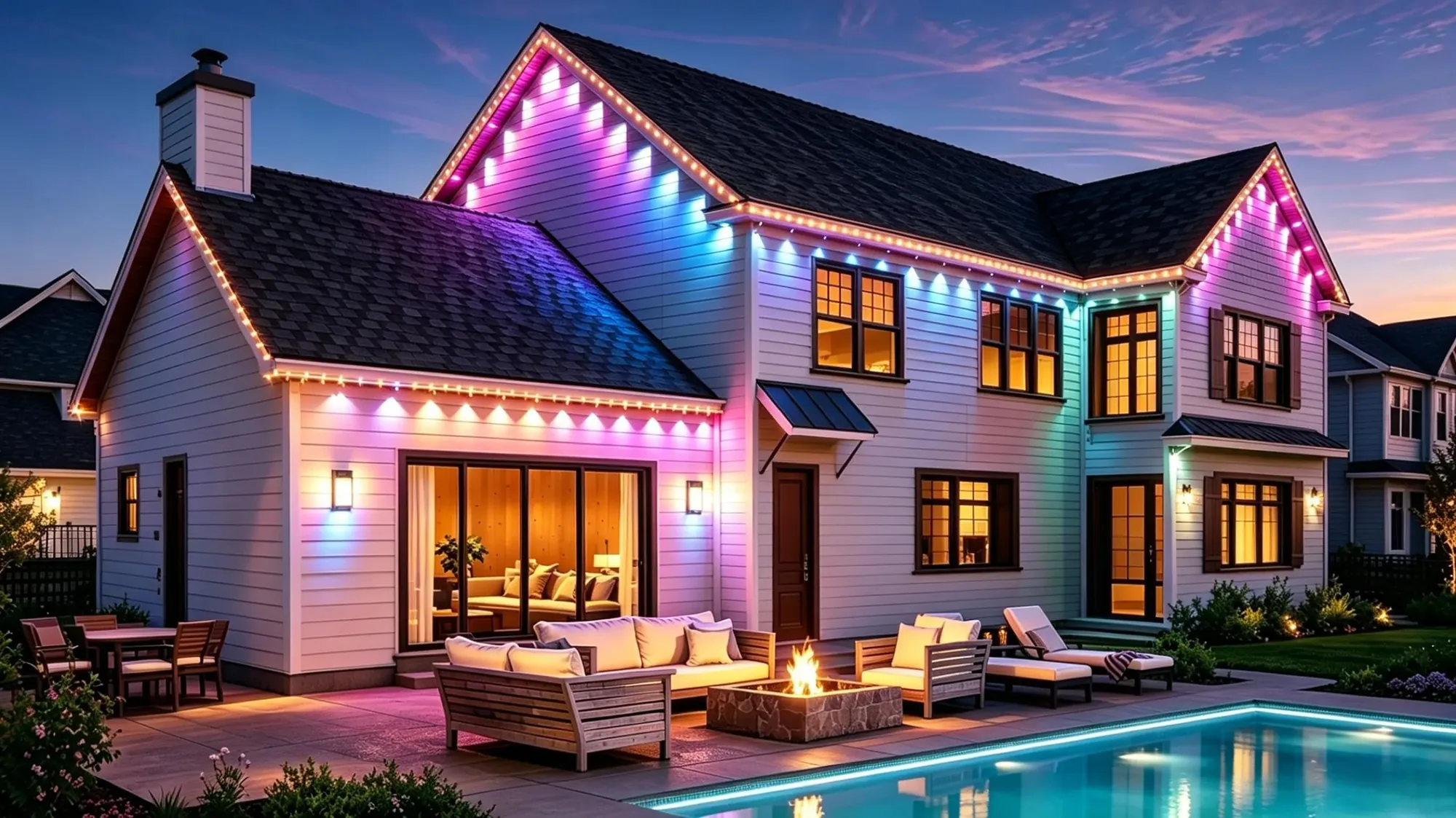
Three Track Systems. One Sealed Module.
The module is the same in every system — a 24 V DC board potted into a UV-stabilised housing. What changes is the aluminium that carries it, and how tight your building will let it bend.
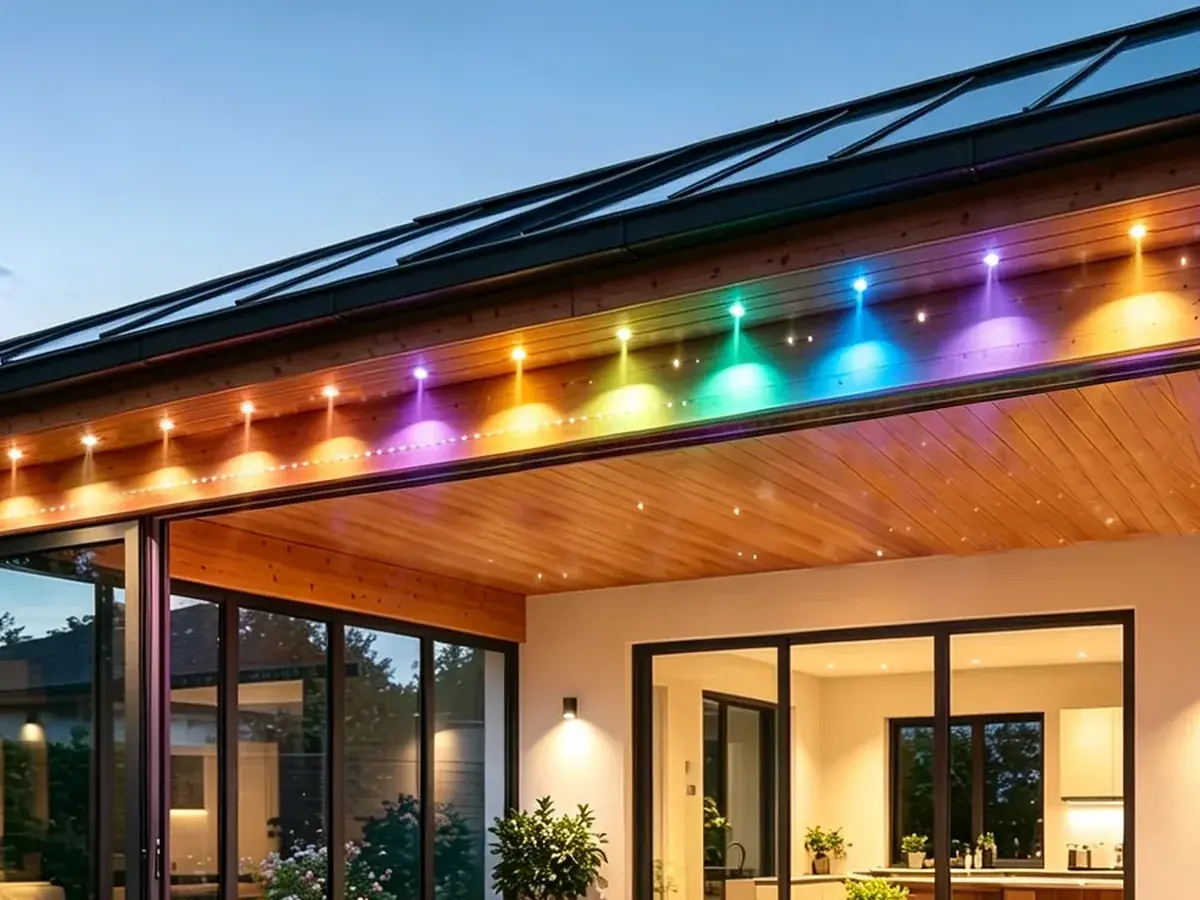
Rigid Aluminium Track — CD series
Extruded 6063-T5 with a screw channel and a clip-in diffuser. Cut to length on site, joined with hidden couplers. The default for straight eaves, fascia and soffits.
Series detail →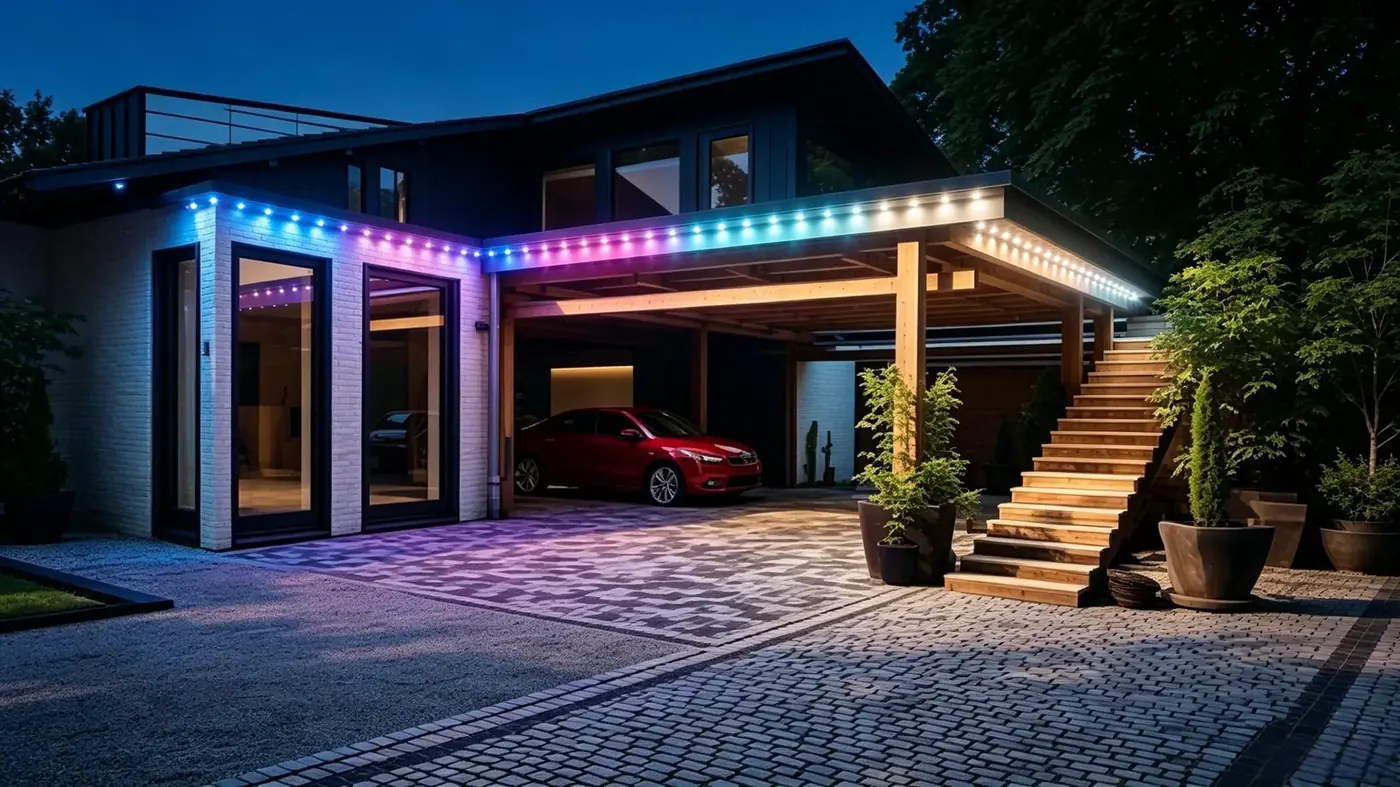
Flexible Cable Track — FX series
A flat PVC carrier on a steel tension core, for curved fascia, arched openings and stone profiles that will not take a drill line. Bends to 150 mm radius without kinking.
Series detail →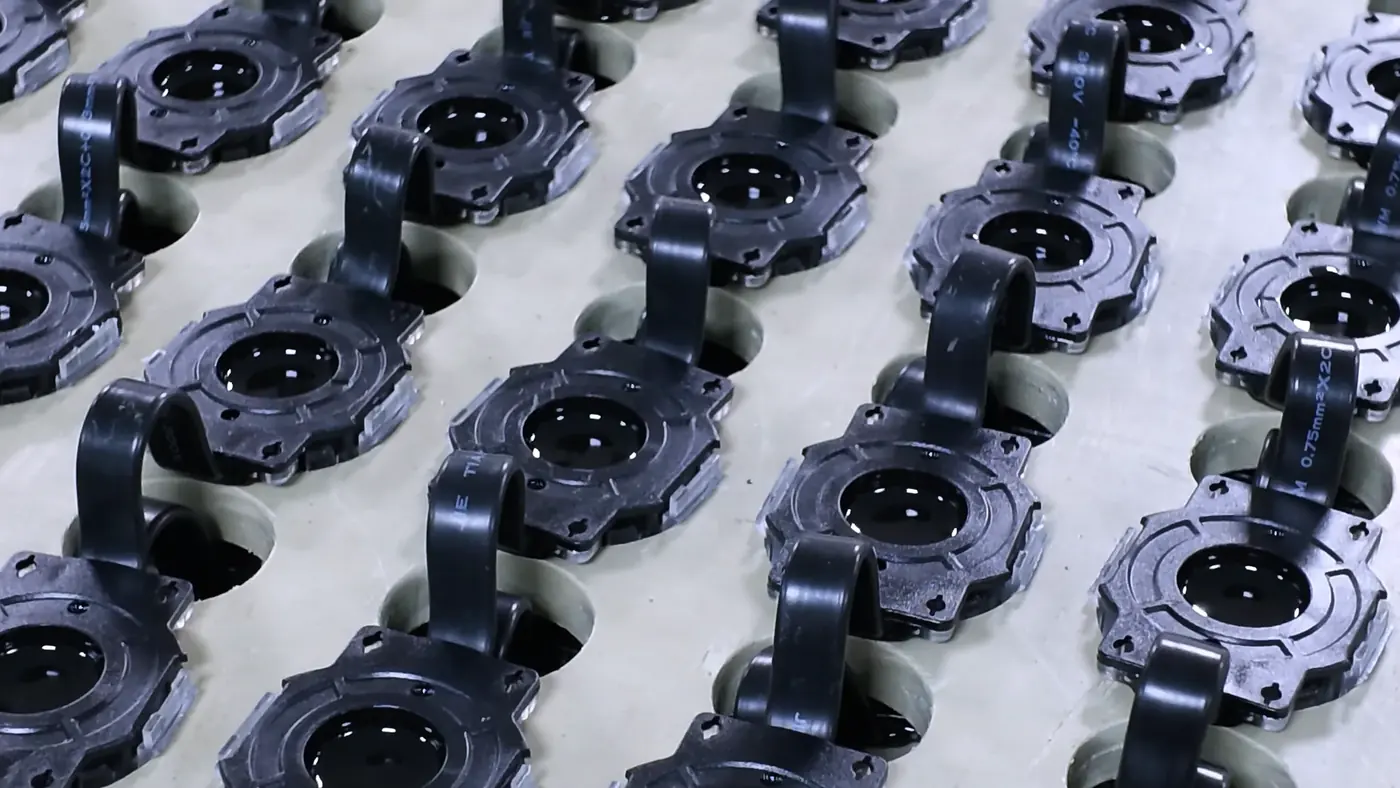
High-Output Commercial — HP series
Wider board, tighter pitch, 22 W/m. For soffits above six metres and facades lit as architecture rather than accent. External driver, DMX or 0–10 V dimming.
Series detail →Track and module quick reference
Five stock configurations. Lengths cut to your drawing; everything else is a call with engineering.
| Model | Track profile | LED pitch | Output | Ingress |
|---|---|---|---|---|
| CD-3015 | Rigid 6063-T5, 30 × 15 mm | 50 mm | 12 W/m | IP67 |
| MD-5054 | Rigid 6063-T5, 50 × 54 mm | 50 mm | 18 W/m | IP67 |
| HP-5050 | Rigid 6063-T5, 50 × 50 mm | 40 mm | 22 W/m | IP67 |
| FX-2012 | Flexible carrier, Ø12 mm | 100 mm | 8 W/m | IP67 |
| DR-24-200 | Driver, 24 V DC, 200 W | — | — | IP67 |
CCT 2200–6500 K, RGB and RGBW on request. Maximum single run 20 m before a re-feed. Figures are nominal at 25 °C — ask for the test report on your project spec.
Why Buyers Choose IDIF
Most eave lighting on the market is assembled from bought-in modules. The failures buyers report — water at the joint, colour shift after two summers, a batch that no longer matches the sample — all start at that handover. We keep it inside the building.
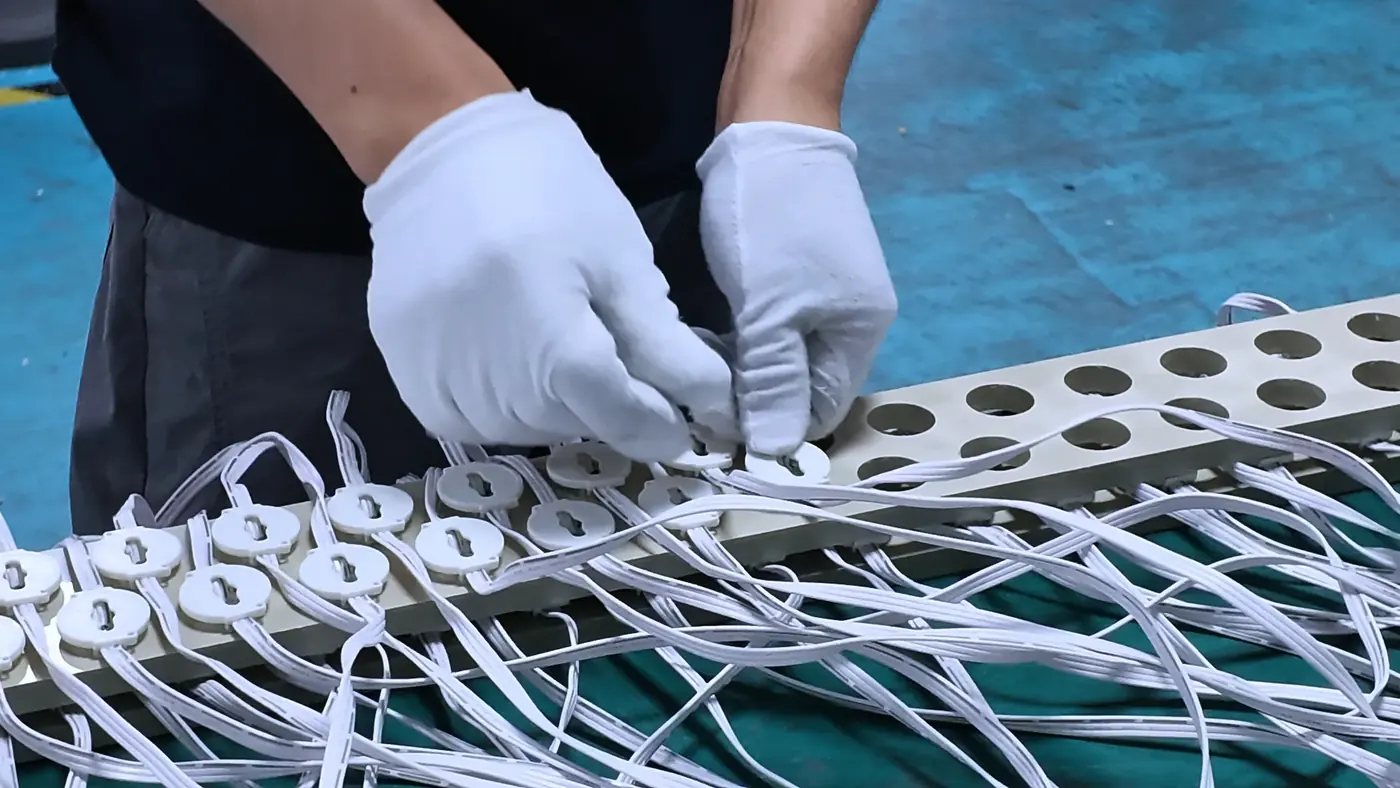
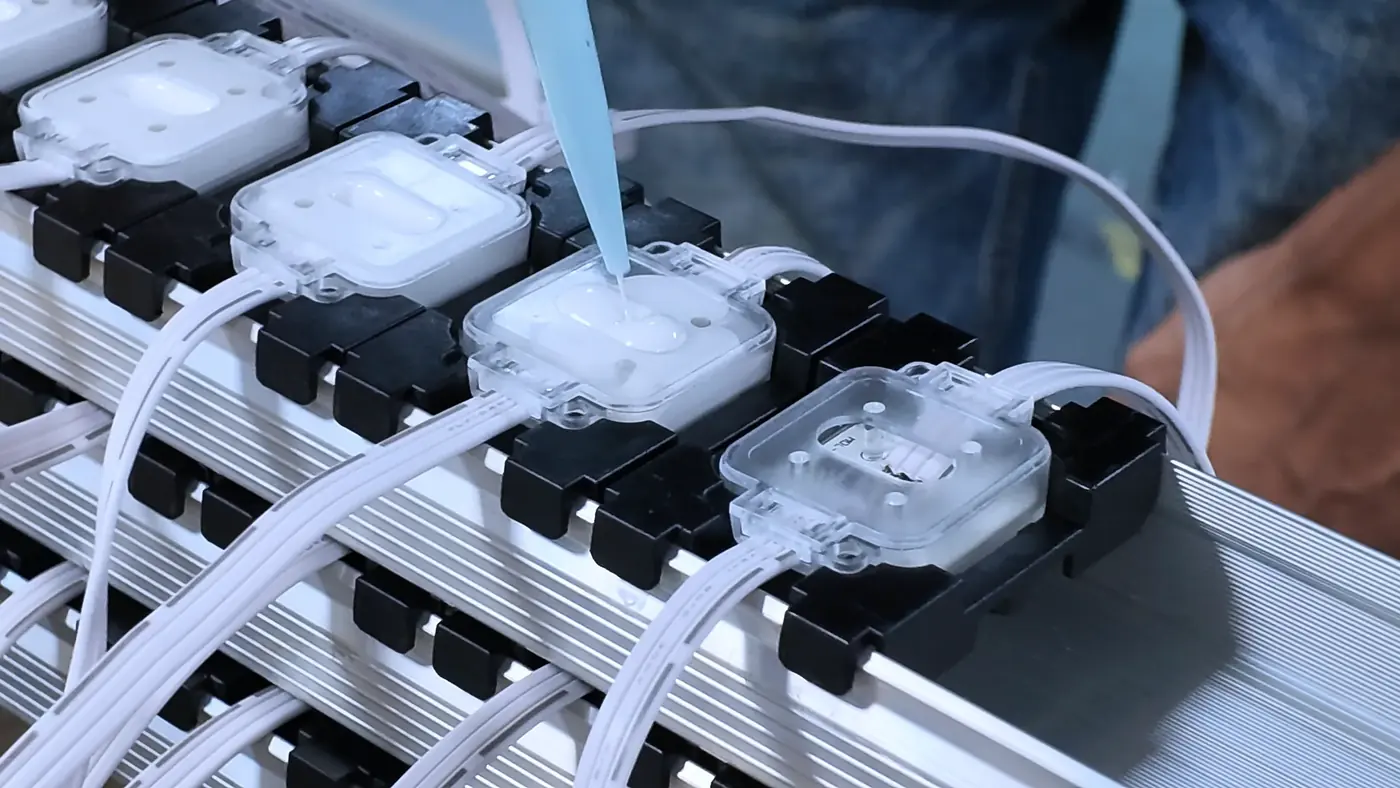
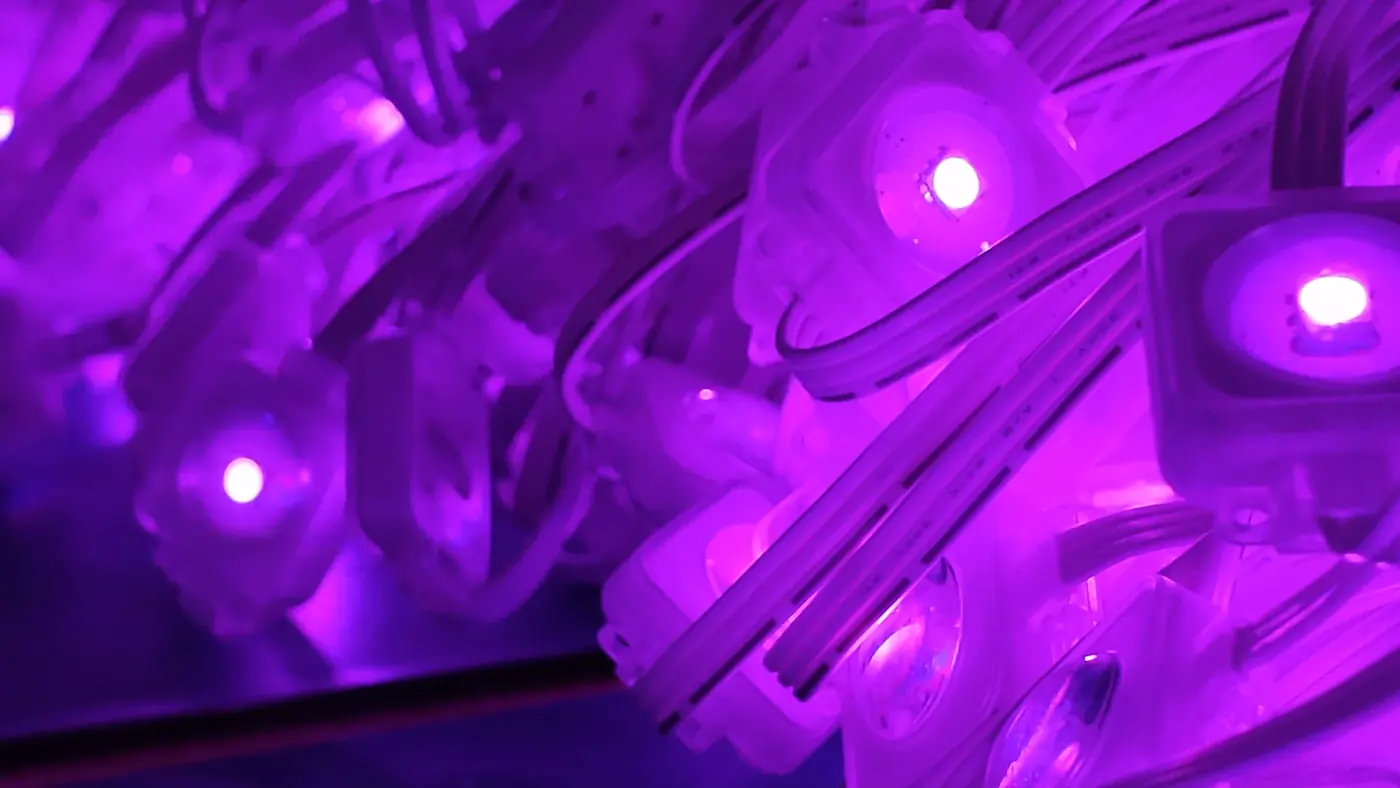
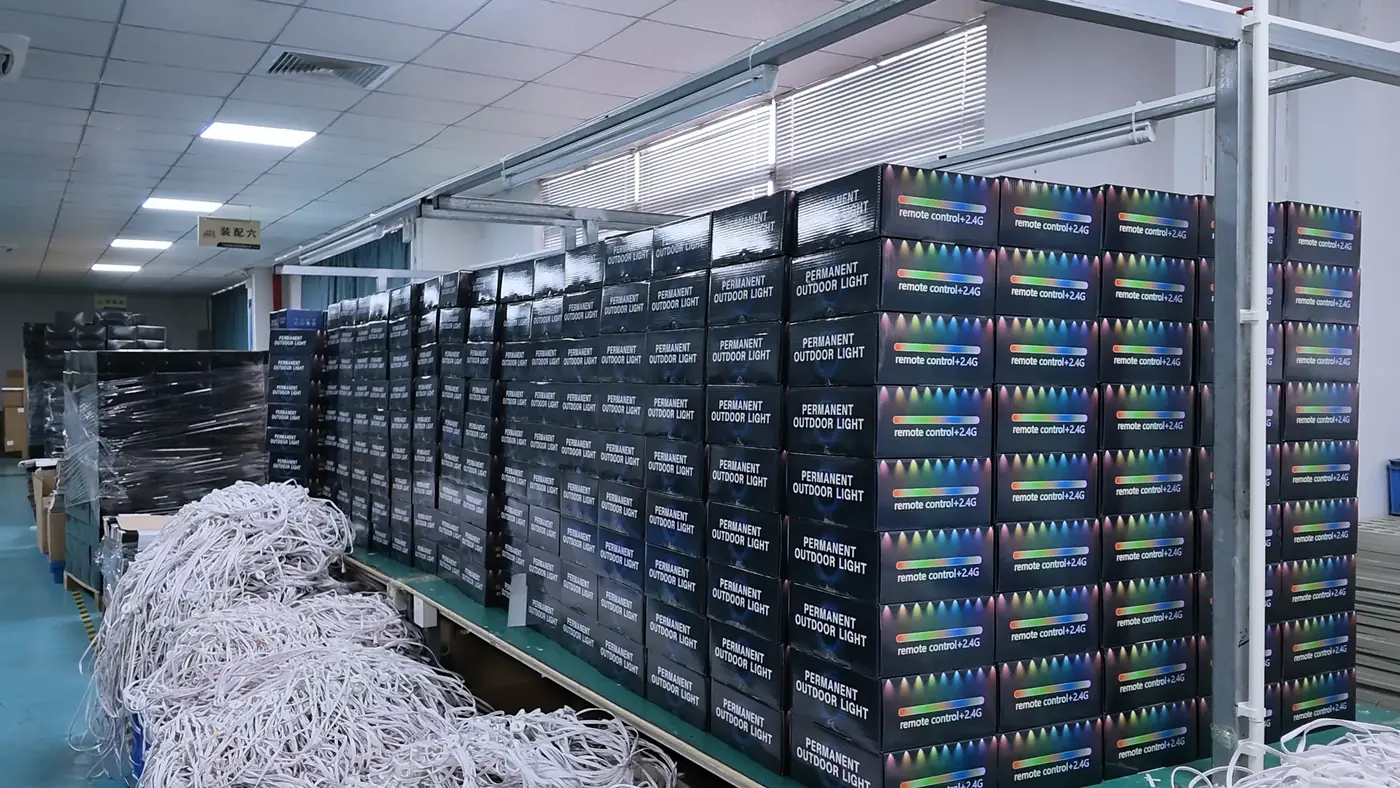
Everything under one roof
Extrusion, SMT, potting, ageing and packing run in the same plant. When a batch fails IP67 we know which station to open — not which supplier to blame.
Twenty years of eave work
Our engineering team has been on pitched roofs, flat soffits and stone facades since before eave lighting had a name. They read your drawing and tell you where it leaks.
Capacity you can plan against
Four extrusion dies, two potting lines and a 72-hour burn-in rack. 100,000 m a month is a schedule we hold, not a peak we quote.
Supply for trade buyers
Distributors, wholesalers, installers and project buyers across 30+ markets. Stock profiles ship in seven days; custom lengths and colours run 25–30 days from artwork approval.
Inside the IDIF Plant
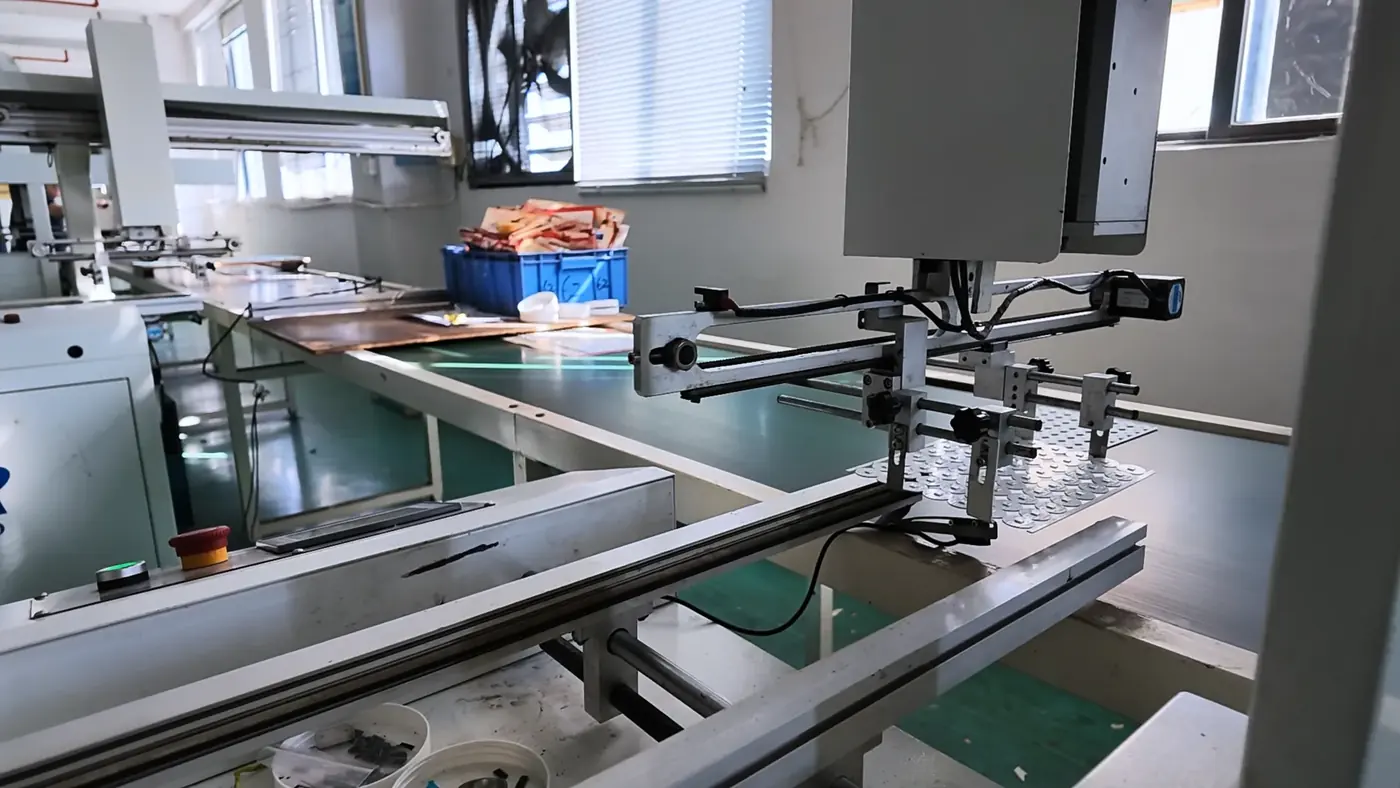
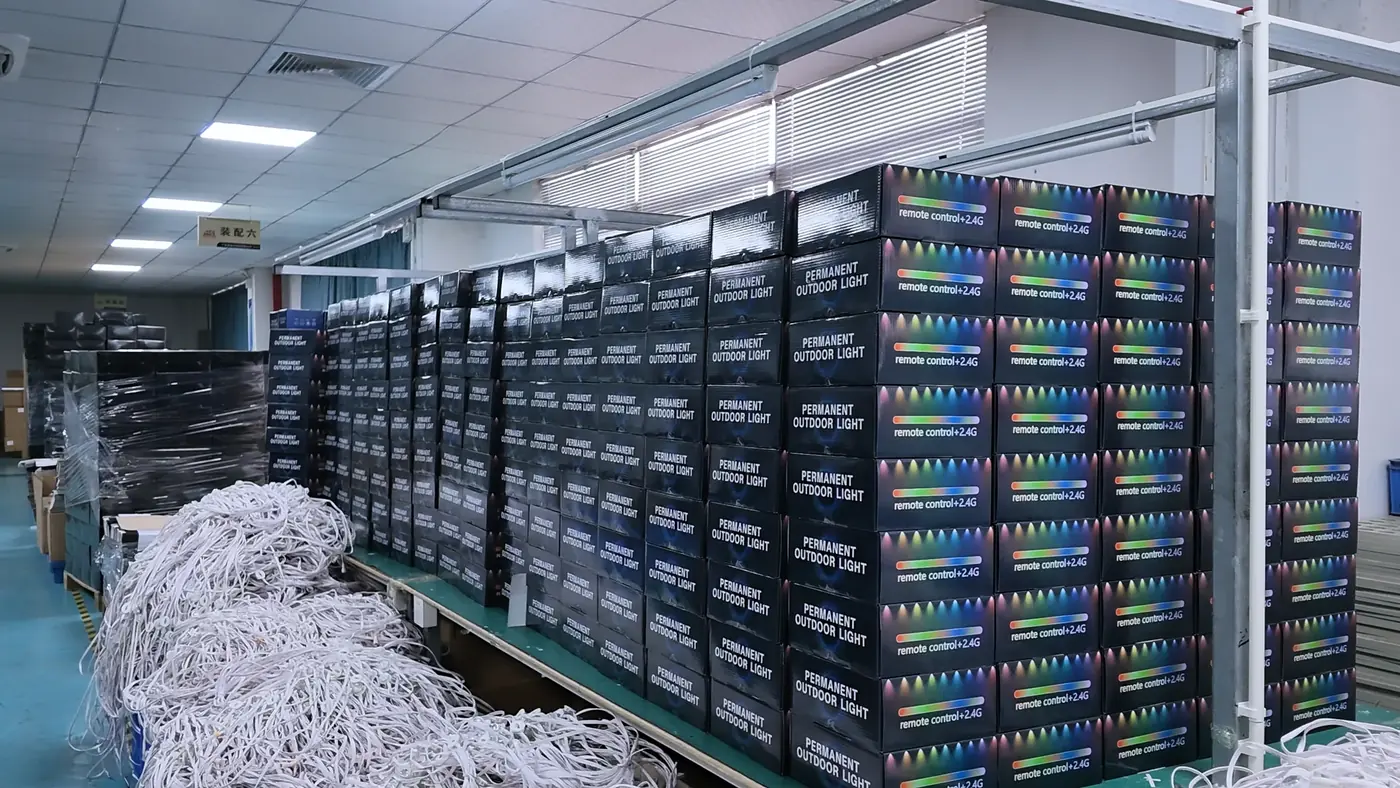
6,000 m² under one roof in Zhongshan — extrusion, SMT, potting, ageing, assembly and dispatch within a single line of sight. Visitors are welcome; we would rather you walked the floor than read a brochure.
Built for Your Brand, Not Ours
We do not sell a house brand. Every profile, carton and label we ship carries the buyer’s name — which means the specification starts with your market, your installer and your price point, not with what we happen to have in stock.
Your profile
We quote from your drawing or your competitor’s sample. Width, depth, diffuser opacity and mounting flange are open until you approve the 3D.
Your specification
CCT, CRI, pitch, wattage, connector type, driver brand and dimming protocol set by the market you sell into — 120 V for North America, 24 V DC elsewhere.
Your packaging
Printed cartons, private-label reels, installation sheets in your language, barcodes and pallet marks to your retailer’s routing guide.
Your market
CE, RoHS, UKCA and ETL documentation prepared for the destination. We have walked distributors through their first container, and through their thirtieth.
Send drawing or sample
Profile section, length schedule, CCT and control method is enough to start.
Spec and BOM review
Engineering returns a marked drawing, a BOM and the two or three points that will cost you money.
Sample, 7–10 days
Potted and aged sample in your CCT, with the driver you intend to specify.
Approval and deposit
Signed sample becomes the reference. Deposit releases extrusion and SMT scheduling.
Production, 25–30 days
Batch ageing, 100% IP67 check, colour binning against the approved sample.
QC, packing, shipment
Pre-shipment report with photos, then FOB Zhongshan or DDP to your warehouse.
Sealed, Not Silicone-Smeared
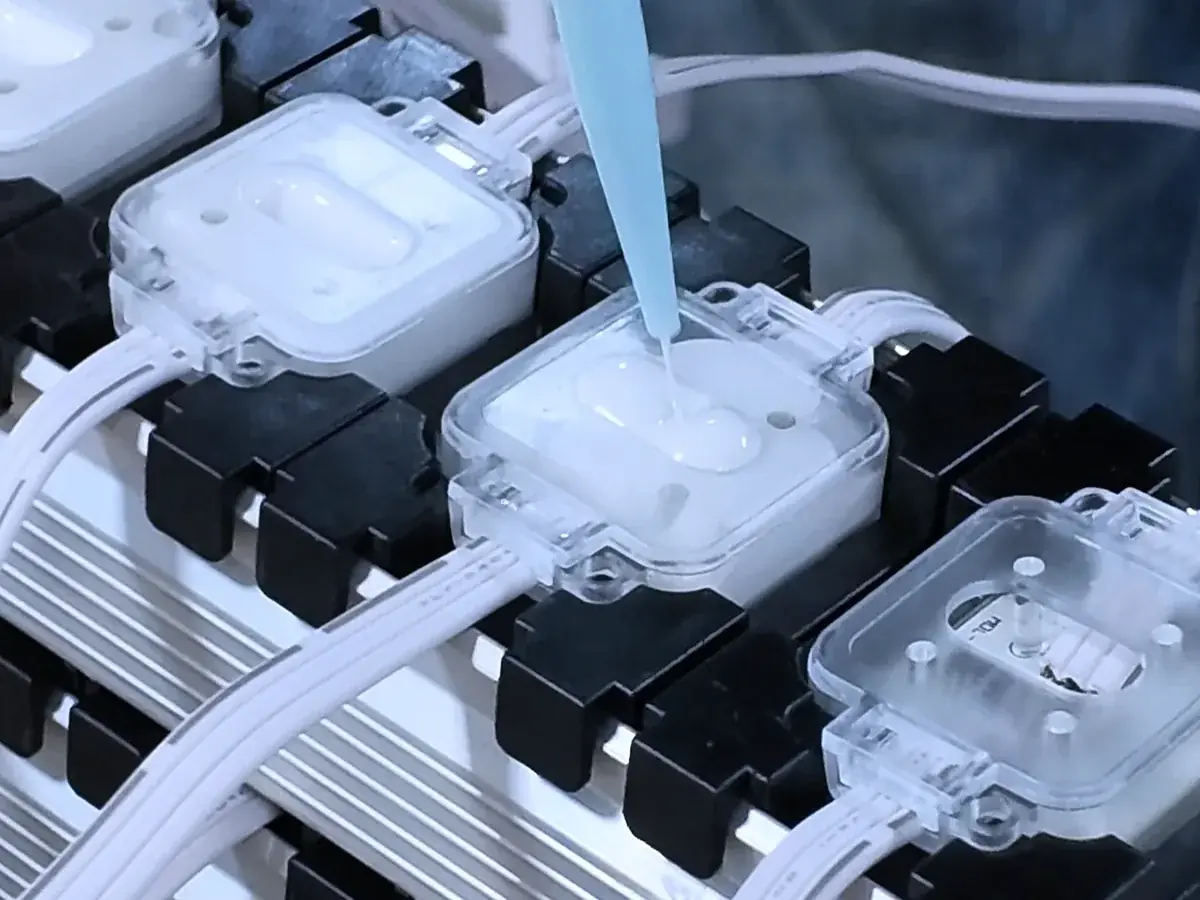
A bead of silicone around a module is not waterproofing — it is a place for water to sit. Every IDIF module is potted instead: the board sits in the housing and the compound is poured until it meets the lens. No air pocket, so nothing to condense when the eave cools at 2 a.m.
- IP67 potted housing, batch tested
- UV-stabilised PC lens, no yellowing at 3 years
- −30 °C to +55 °C operating range
- 24 V DC, Class III — safe to service wet
- 150 mm bend radius on FX flexible track
- 5-year limited warranty on module and track
Eight Names, One System
This category has more names than products. Which one your customer types depends on where they learned it — and a quote that uses a different word than the buyer is the fastest way to lose an order. We manufacture the same sealed track for all of them.
The broad American term. Used by homeowners who want year-round lighting, and by distributors looking for a category to stock. If your market is the US, this is the phrase on the packaging.
Brand language from the dealer network. Usually points to a colour-changing system sold on a seasonal promise, installed once and controlled by app.
The same hardware with a seasonal intent. The buyer is comparing the system against a ladder, a storage bin and a crew booking every November.
Emphasises the outline rather than the fixture. Common where the roof edge is what the street actually sees — steep pitches, deep winter, snow loads on the eave.
The overhang assembly as a whole. In practice it means fascia or soffit mounting, so a specification should always say which of the two it means.
The flat underside of the overhang. Confusingly used interchangeably with eave lighting, even though a soffit is one surface of an eave, not the whole thing.
Named for the trim board it is colour-matched to. A marketing term rather than a product category — useful for retail, ambiguous on a purchase order.
Mounted on the vertical board at the roof edge. The strongest line at night and the most visible by day, which is why it lives or dies on the powder-coat colour match.
Four Places the Track Can Go
The same module reads differently depending on where the track sits. This is the first question we put to an installer, because the answer decides the profile, the fastener and the colour match — not the LED inside.
Follows the slope to the ridge. The line is read from the street at distance, so spacing consistency matters more here than anywhere else on the building.
Reads as a defined edge line at night. By day it reads as a second trim board, if the powder coat matches. The default for pitched roofs and gutters.
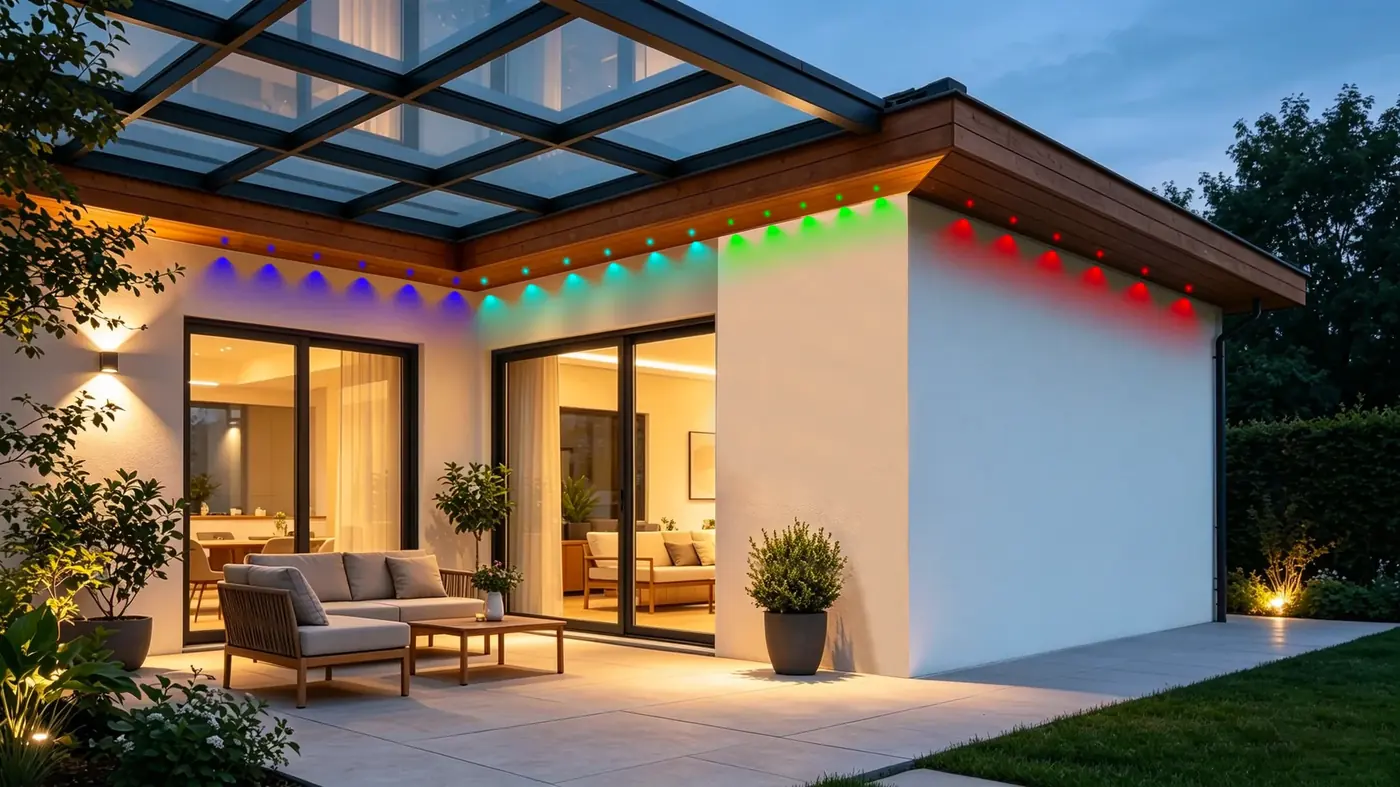
Tucked under the overhang. Washes the wall instead of drawing a line, and hides the track from the street almost completely. The answer to “will it look like Christmas in July?”
For flat and low-slope roofs. The run has to terminate on a corner or a return, otherwise it dead-ends in the middle of an elevation. Plan the end before the start.
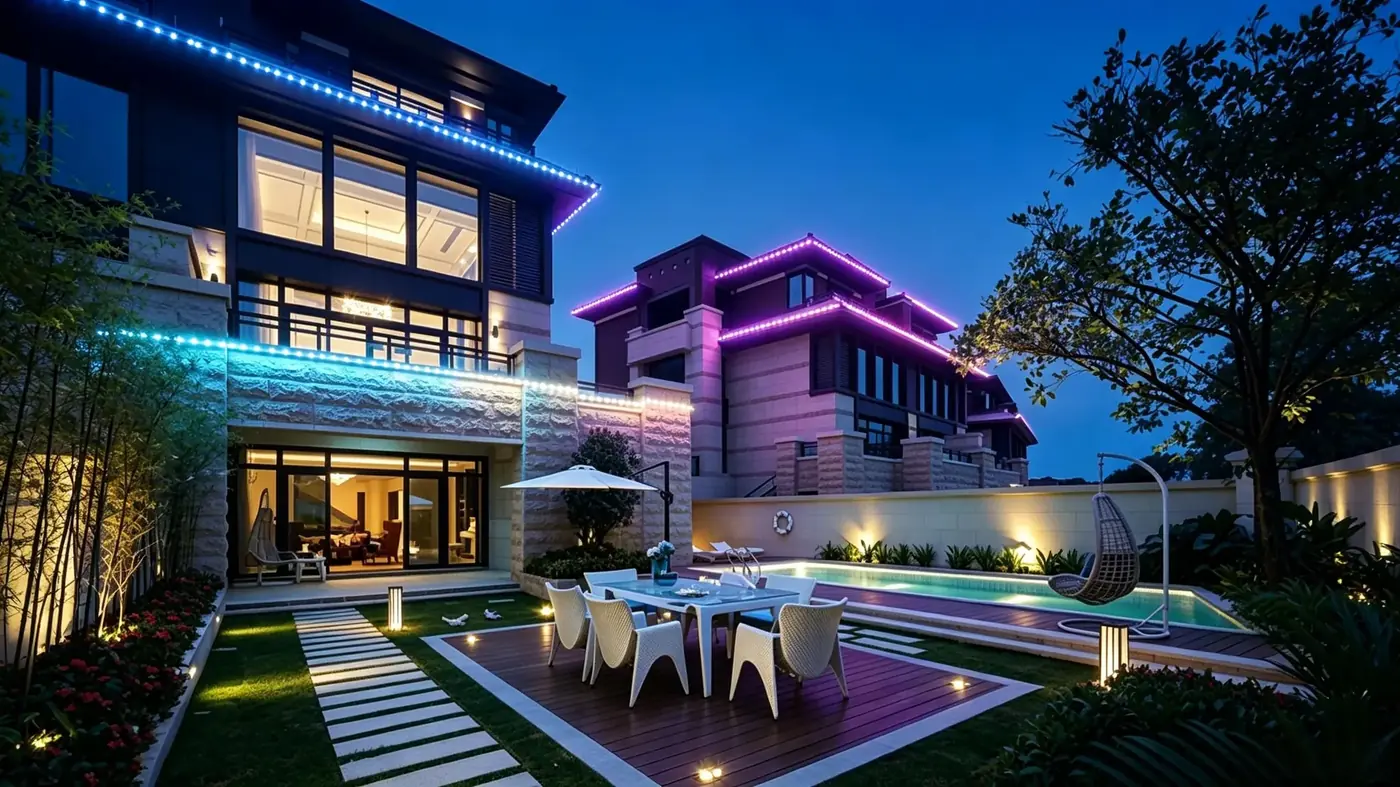
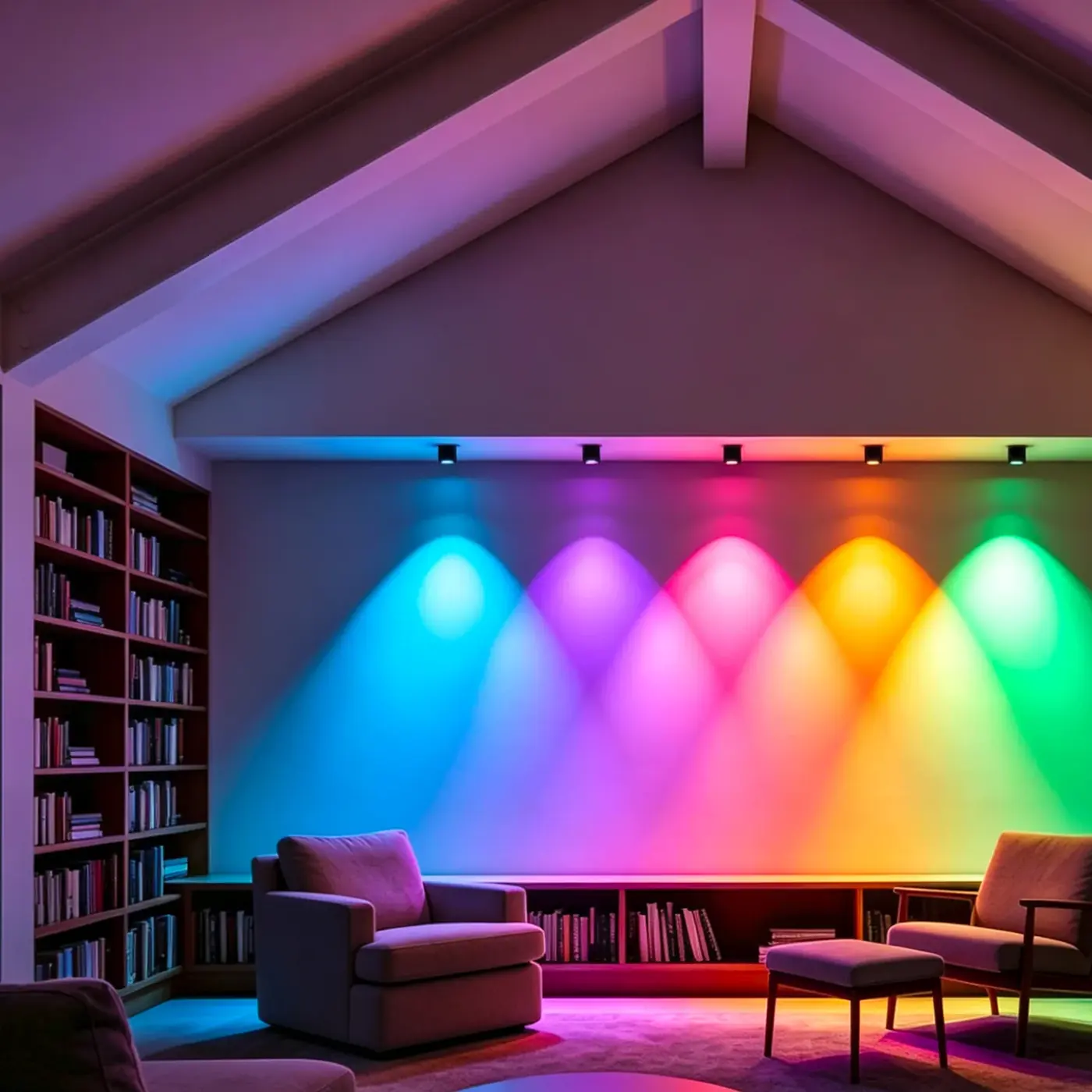
Where the Track Goes
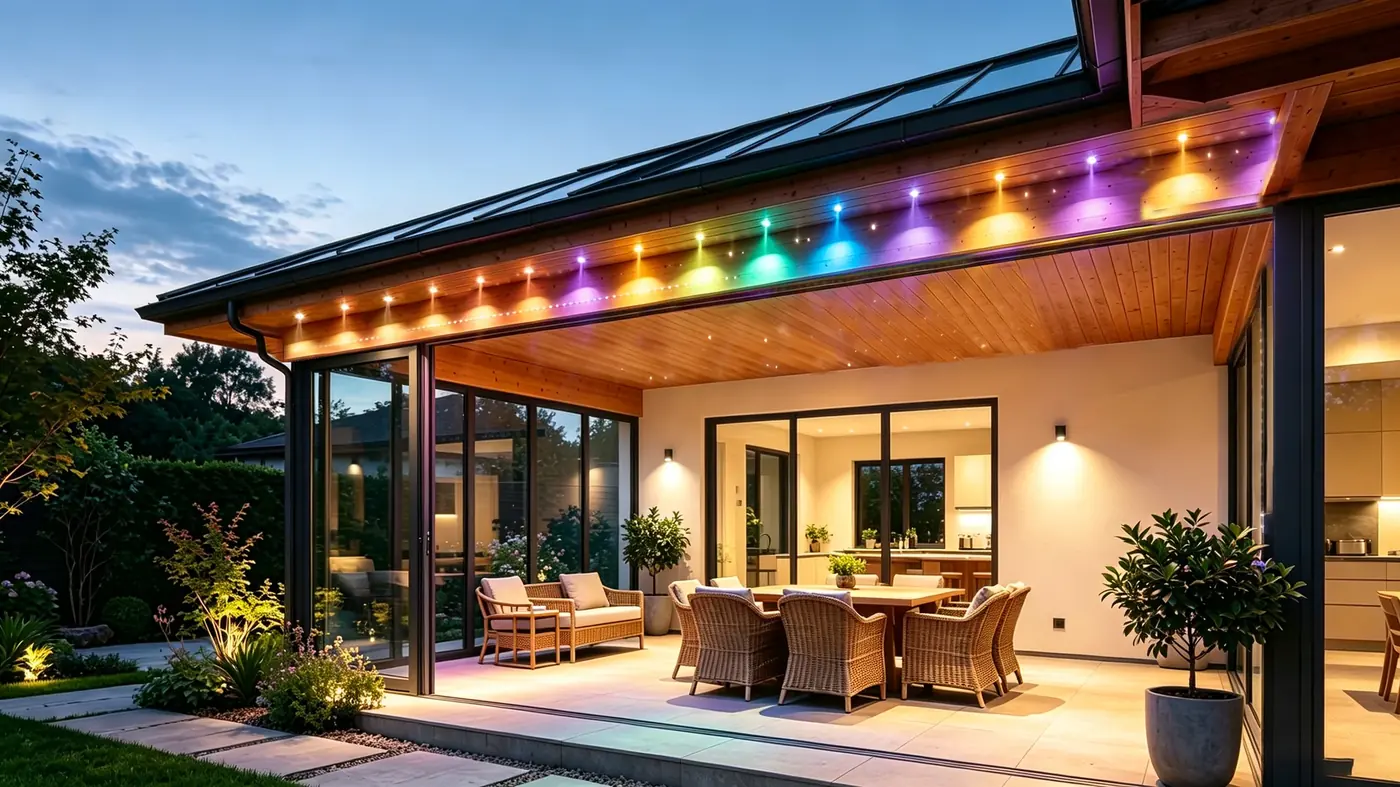
The same module, specified four ways — warm white every night, holiday colour in December, or both on one run. If your project is not on this list, send the elevation: the answer is usually a different profile, not a different product.
MOQ, Lead Time & Warranty
Terms are written for wholesale buyers who need to test before they commit a container, and for the ones who already know what they want.
Five years, module and track
Covers potting failure, colour shift beyond three MacAdam steps and driver defects. Replacement boards ship from stock; we do not ask you to return the failed metre before we send the new one.
FOB Zhongshan, or DDP
Air, LCL and full container from Shenzhen and Guangzhou to the US, Canada, UK, EU and Australia. Cartons are palletised to your routing guide, with a packing list that matches the invoice line for line.
Questions Buyers Ask First
The product
What are permanent eave lights called in other markets?
How do you handle the daytime look?
Do the modules work in cold, coastal or desert climates?
Can the track be powder-coated to match our trim?
What happens when a single module fails?
Factory, ordering and supply
Are you a manufacturer or a trading company?
Can you produce under our brand?
What is your MOQ?
What is the lead time?
What warranty and certifications do you carry?
Send the elevation. We will send the profile.
Tell us the building, the length schedule and the market you sell into. We come back with a profile section, a price at your quantity and the lead time we can actually hold — usually inside one business day.
- Factory-direct pricing for importers and installers
- OEM / ODM / private label on the same line
- Sample in your CCT before any commitment
- Spec sheets, IES files and test reports on request